
Make Your Big Day More Eco-friendly
This blog post is on crafting an eco-friendly wedding with tips like using biodegradable utensils, opting for natural corks, and reusing decor. TerraCycle's Zero Waste Boxes aid in minimizing your celebration's environmental impact.

Find a New Home for Food Waste and Scraps
This memo advocates for installing onsite food-waste-only bins in small/medium-sized restaurants in New York City to divert food waste from landfills, reduce waste management fees, and enable recycling opportunities. Taking proactive measures can foster a more sustainable food production and consumption system, reducing environmental harm.

Impact on Japanese Corporations of Japan Fiscal 2021 Tax Bill
This memo discusses Japan's Fiscal 2021 Tax Bill, which offers tax-cut incentives to businesses for investing in digital technology and decarbonization. The policy aims to achieve carbon neutrality and revitalize the economy after COVID-19. It examines the policy's history, impact on corporate finance, and potential investment strategies for businesses of different sizes. The tax incentives are expected to drive long-term investments in technological innovation, with implications for equity and debt financing choices.

Reaction to the 2021 SEC Risk Alert
This memo discusses the U.S. Securities and Exchange Commission's (SEC) risk alert on ESG investing, identifying key risks and issues observed in investment companies and advisers. It recommends strategies, including mandating a template for ESG disclosures, to address deficiencies and weaknesses. The SEC should focus on precise disclosures, internal policies, and compliance personnel expertise to improve ESG investing practices and ensure investor protection.

Robinhood Company ESG Analysis
This memo discusses the need for Robinhood, a prominent online brokerage firm, to enhance its ESG (Environmental, Social, and Governance) strategies. It suggests focusing on diversity and inclusion in recruitment, increasing efforts in environmental reporting and carbon emissions reduction, and providing more quantitative and qualitative reviews on governance issues. The study identifies areas for improvement and recommends actions to strengthen Robinhood's commitment to social responsibility and sustainability.

Political Strategy for Increasing National Recycling Rate
This memo proposes a strategy to increase the domestic recycling rate through an improved waste classification system. It suggests gaining bipartisan support, building a coalition triangle, and launching a message campaign linking human activities to the ocean ecosystem. Key constituents include the Senate Recycling Caucus, the U.S. Chamber of Commerce, and the National Recycling Coalition.
Policy Measures the U.S National Recycling Goal by 2023
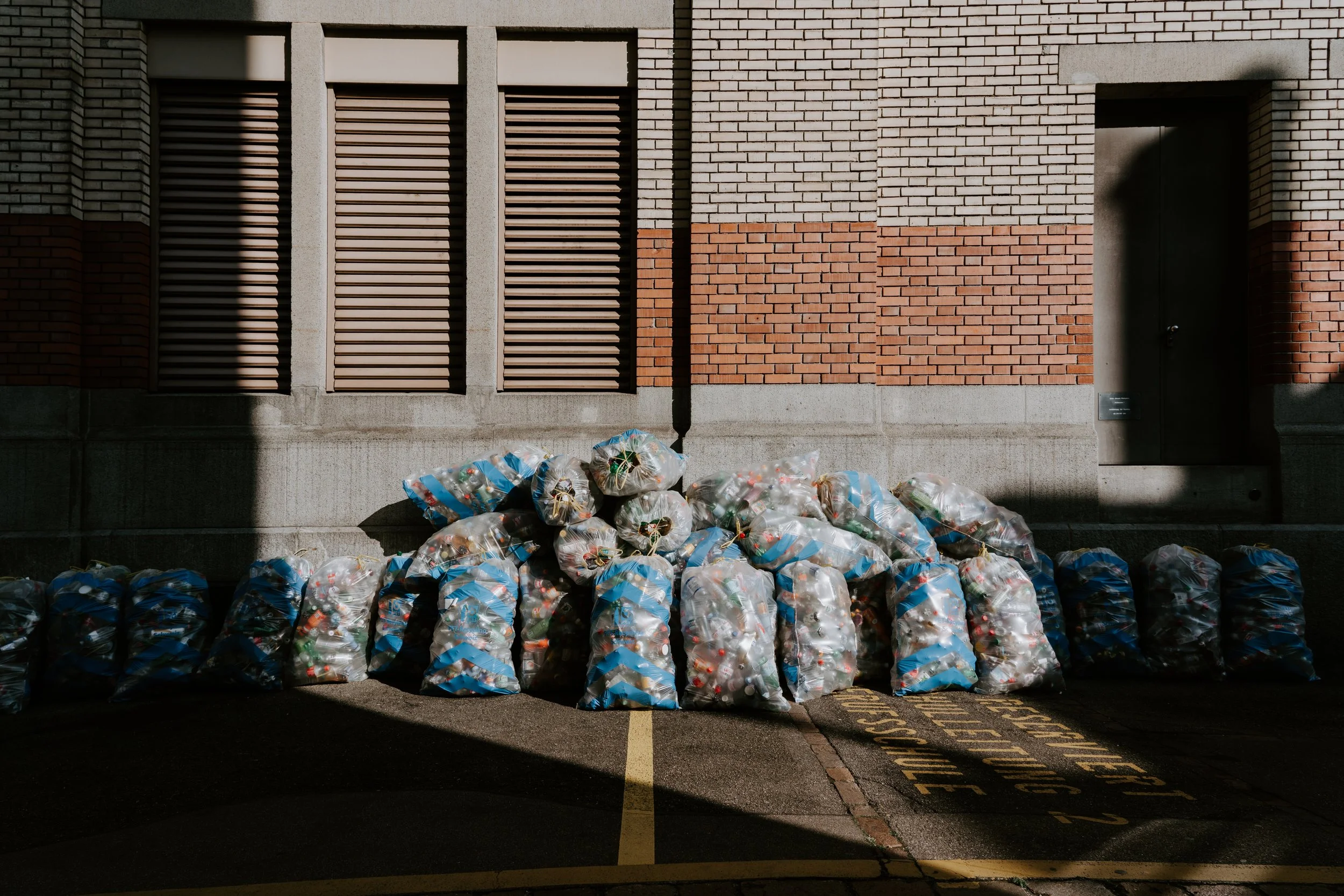
This memo evaluates three alternatives to achieve the National Recycling Goal of increasing the U.S. recycling rate to 50 percent by 2023. The most effective and feasible option is Alternative 3 - constructing a visualized waste classification system with color labels on packaging and standardizing trash bags.

Recycling Means More Than A Single Color of Blue
This memo highlights the urgency for improved recycling practices due to the inefficiency of the single-stream recycling system in the United States. Less than 10 percent of plastic "properly disposed" in blue bins is recyclable. The study proposes Color-Coded Waste Management, inspired by Japan's successful system. Clarifying the Resin Identification Code (RIC) and encouraging visible labeling on items aims to optimize waste sorting, increase recycling rates, and minimize manual intervention at recycling facilities. Embracing color-coded trash bags and standardized color codes empowers individuals and businesses to contribute to recycling efficiency and environmental stewardship, paving the way toward a more sustainable future.